

The UroLift™ System
Get back out there.
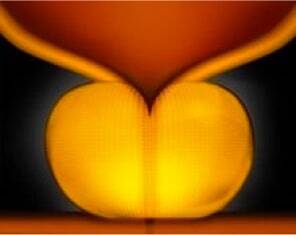
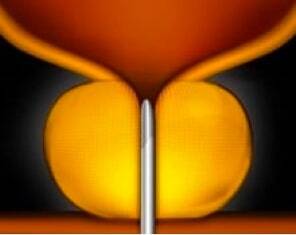
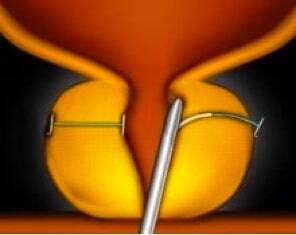
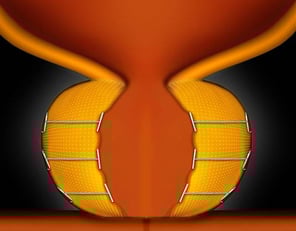
A proven approach to treating BPH that lifts and holds enlarged prostate tissue out of the way, so it no longer blocks the urethra.


Durable Results, Lasting Relief5
Better symptom relief than reported for medications2,6
Risk profile better than reported for surgical procedures, such as TURP2,4,6

Proven Alternative to Drug Therapy5
About 50% of men surveyed are dissatisfied with their BPH medication–34% experienced unpleasant side effects§
Urologist satisfaction with medication therapy for BPH has declined significantly in the last two years||

Rapid Symptom Relief and Recovery1,2
Recovery in days, not months1
Rapid relief with a low risk profile2

Proven Safe and Effective5
Provides consistent outcomes to a broad range of BPH patients12
Risk profile better than reported for surgical procedures, such as TURP2,4,6

Improves Quality of Life5
Symptoms of BPH can cause interrupted sleep, loss of productivity, and depression—all of which can decrease quality of life13
The goal of the UroLift™ System treatment is to relieve symptoms so you can get back to your life and daily activities

Preserves Sexual Function†5
Preserves†5 and possibly improves‡8 sexual function
The only leading BPH procedure shown not to cause new and lasting sexual dysfunction†3,7




“I couldn’t be happier with my results. The UroLift™ System procedure helped reduce the number of pit stops I had to make during my drives. I sleep much better and go to the bathroom less often at night.”**


What happens during the UroLift procedure, and how long does it take?
The UroLift System treatment may be performed with local or under general anesthesia.1 Your doctor may give you medication to make you feel more comfortable during the procedure, though everyone's tolerance for pain and discomfort varies greatly. The UroLift System procedure typically takes less than an hour. Most men go home typically 1-2 hours after the procedure.
See the UroLift System Instructions for Use for more information.
What are Common Side Effects?
Most common side effects are temporary and can include discomfort when urinating, urgency, inability to control the urge, pelvic pain, and some blood in the urine.2 Rare side effects, including bleeding and infection, may lead to a serious outcome and may require intervention. Speak with your doctor to determine if you may be a candidate for the UroLift System treatment.
What are the risks and potential complications of the UroLift procedure?
As with any medical procedure, the UroLift System procedure comes with risks. Most common side effects are mild to moderate and temporary and can include pain or burning with urination, blood in the urine, pelvic pain, urgent need to urinate and/or the inability to control the urge.2 Rare side effects, including bleeding and infection, may lead to a serious outcome and may require intervention.
See the UroLift System Instructions for Use for more information.
References:
1. Shore, Can J Urol 2014 2. Roehrborn, J Urology 2013
MAC03242-05 Rev A


