

LUTS (lower urinary tract symptoms) are symptoms related to problems with the lower urinary tract, including the bladder, prostate, and urethra.1
Symptoms may include:
- Frequent urination
- Urgency (feeling an urgent need to urinate)
- Hesitancy – Trouble starting or maintaining a stream of urine
- Weak stream
- Straining or having to push in order to urinate
- Waking up often at night (nocturia) to urinate
- Dribbling after urination
- Loss of bladder control
LUTS can become more common as you get older and may be caused by a variety of reasons related to the prostate or bladder.
Common Prostate Conditions2
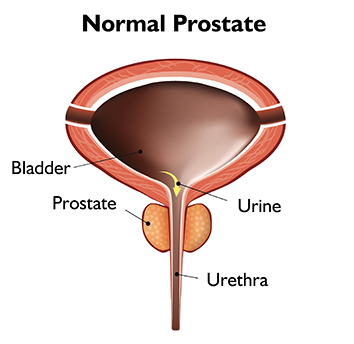
The prostate is a walnut-sized gland that is part of the male reproductive system and produces fluid that transports sperm during ejaculation.
The gland wraps around the male urethra near the bladder and can grow larger as you age. Men are at risk for prostate problems, which include:
- Prostatitis: Swelling/inflammation of the prostate
- Prostate Cancer: Very common cancer among men; typically a slow-growing cancer
- Enlarged Prostate: Enlargement of the prostate gland, also known as Benign Prostatic Hyperplasia (BPH). BPH is not an indication or predictor of cancer. BPH is one of the most common causes of bothersome lower urinary tract symptoms (LUTS).
Each of these conditions can affect the prostate differently, and having one condition does not mean you will have another.
Common Bladder Conditions3
Other common bladder conditions range from mild and manageable to serious and life-threatening. Some of the more common bladder conditions include:
- Cystitis: Inflammation of the bladder, often from an infection
- Urinary incontinence: Urine leakage
- Overactive bladder: Condition in which the bladder squeezes urine out at the wrong time
- Interstitial cystitis: Chronic problem that causes bladder pain and frequent, urgent urination
- Bladder cancer
If you have any of the symptoms associated with these conditions, talk to your physician about them and how to move forward in your treatment journey.
BPH is one of the most common causes of urinary symptoms.4 Think you may have BPH? Learn more about what BPH is here.
References


