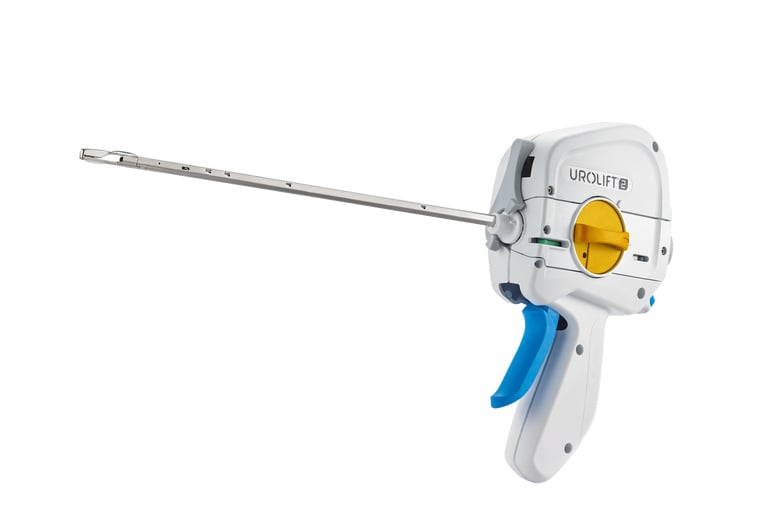

The UroLift™ System
Problem: the flow is blocked. What would you do?
You'd pull the obstruction out of the way. BPH treatment doesn't need to be more complicated than that. The UroLift™ System lifts the prostate away from the urethra to provide immediate deobstruction.I It offers proven, predictable outcomes for symptom improvement, while preserving sexual function.2-4*
About the Procedure
The UroLift™ System is indicated for the treatment of symptoms due to urinary outflow obstruction secondary to benign prostatic hyperplasia (BPH), including lateral and median lobe hyperplasia, in men 45 years of age or older.

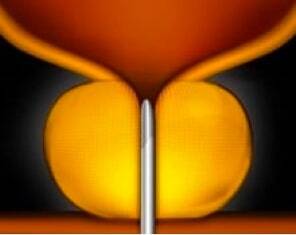
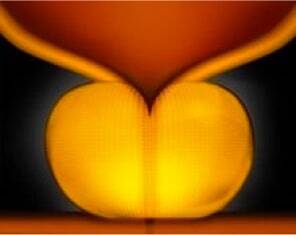
Enlarged Prostate
An enlarged prostate can narrow or even block the urethra.

Step 1
The UroLift™ Delivery Device is placed through the obstructed urethra to access the enlarged prostate.

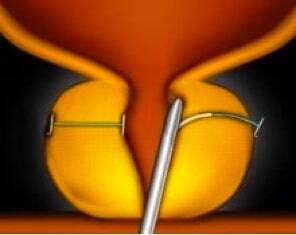
Step 2
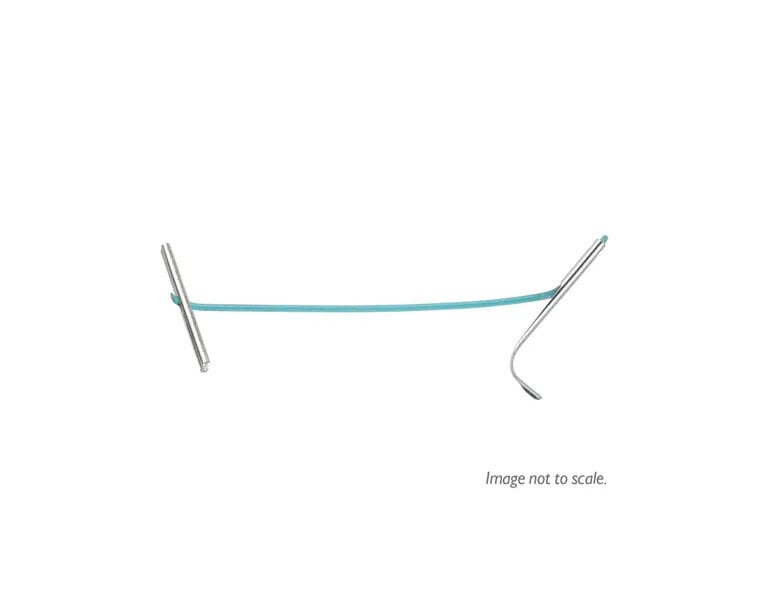
Small UroLift™ Implants are permanently placed to lift and hold the enlarged prostate tissue out of the way.

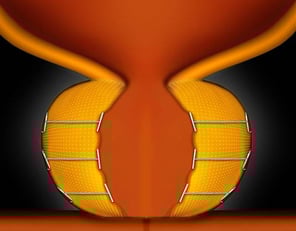
Step 3
The UroLift™ Delivery Device is removed, leaving an open urethra to improve flow and provide lasting BPH symptom relief.
Proven Mechanism of Action of the UroLift™ System
- Only BPH MIST with consistent durability in real world and clinical trials4,5
- Superior patient experience* among leading BPH procedures4,6-7
- An early treatment alternative to BPH medications5
- One of the most studied BPH MIST with 145+ peer-reviewed and clinical publications and 12,000 patients studied
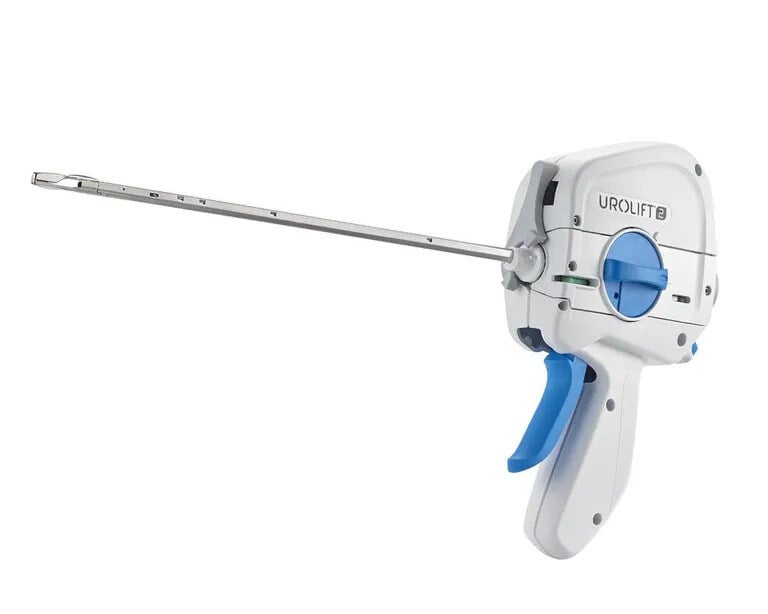
The system procedure is a proven minimally invasive technology designed to treat men with an enlarged prostate caused by benign prostatic hyperplasia or BPH. It has been shown to relieve urinary symptoms and improve quality of life with minimal side effects. The system treatment is often performed in a clinic setting under local anesthesia. The is the current generation of the UroLift system. It consists of a delivery handle and individual implant cartridges containing a single implant used for each implant placement. This cartridge based system enables a streamlined procedure while also significantly reducing packaging waste. The actual UroLift implant remains unchanged to sustain proven outcomes building on years of clinical research and real world successes. The UroLift System procedure begins by inserting an implant delivery device into the urethra. An inserted cystoscope provides the physician with visibility to the anatomy. Once the tip of the delivery device is in the bladder, the needle safety is pressed to unlock the device. On reaching the area of the urethra blocked by the enlarged prostate, the obstructive tissue is moved aside. A trigger pull inserts a curved nineteen gauge nitinol needle through the prostate. A second trigger pull deploys the implant, anchoring a small nitinol tab outside of the prostate while partially retracting the needle. Attached to the nitinol tab is a length of monofilament PET suture. A third trigger pull fully retracts the needle and tensions the suture. Trigger pull number four completes the implant by placing a stainless steel urethral end piece onto the suture while also cutting the suture. Depending on the prostate size and amount of blockage, additional implants may be placed in the same way. The physician will determine the number of implants needed per each individual patient to obtain an open anterior channel. The outer capsule of the prostate is firm and provides a solid anchor. This allows the implants to lift and hold the enlarged prostate tissue out of the way so it no longer blocks the urethra. The implant size is customized to each individual patient and prostate lobe. As the suture is tensioned, it also shortens, compressing the prostate lobes to the side. This reduces pressure on the urethra and provides immediate visible results so urine can flow freely. It's a mechanical solution to a mechanical problem. The minimally invasive procedure requires no cutting, heating, or tissue removal. This procedure preserves sexual function. It typically also means minimal downtime, mild to moderate side effects, and a quick return to normal activity. The system provides a clinically proven treatment for men who suffer from an enlarged prostate that may help get men off BPH medications and may help avoid major surgery.
Treatment with the UroLift™ System does not preclude future UroLift™ System treatments, TURP, or laser procedures.5
Patient Selection
The UroLift™ System provides consistent outcomes to a broad range of BPH patients.8
| Prostate Indications for the UroLift™ System✝ |
| Minimum prostate volume | None |
| Maximum prostate volume | 100 cc |
| Obstructive median lobe | Yes |
The UroLift™ System should not be used if the patient has:
- Prostate volume of >100 cc
- A urinary tract infection
- Urethral conditions that may prevent insertion of a delivery system into the bladder
- Urinary incontinence due to incompetent sphincter
- Current gross hematuria
UroLift™ Delivery Devices and Implants
The full line of UroLift™ products are designed for all prostate types.
Become a UroLift Physician
Learn about our onboarding process and path to long-term success.
Peer Perspectives
Learn about the latest clinical developments from your peers.
View Resources
Find helpful information on how to build the UroLift™ System into your practice and continuing education opportunities.
References
1. U.S. 2022 estimates based on US Market Model 2022-24 (5-17-22 FINAL), which is in part based on Symphony Health PatientSource® 2018-21, as is and with no representations/ warranties, including accuracy or completeness.
2. Rukstalis, Prostate Cancer Prostatic Dis 2018
3. UroLift System Instructions for Use
4. Kaplan, Prostate Cancer Prostatic Dis 2023
5. Roehrborn, Can J Urol 2017
6. Gratzke, BJU Int 2016
7. Tutrone, Can J Urol 2020
8. Eure, J Endourol 2019
9. Management estimate based on product sales as of January 2024. Data on file Teleflex Interventional Urology
*Patient experience defined as a combination of rapid symptom relief, low risk profile, and preservation of sexual function
† Food and Drug Administration (FDA) patient criteria for the UroLift™ System
+ Dr. Robert Cowles is a paid consultant of Teleflex
MAC12000-01 Rev B